Table of Contents
Theme Layout vs Custom Layout: Which Is Right for Your New Website?
When you start a new website project, one of the first big decisions is the layout. It may seem like a design choice, but it affects far more than appearance. Your website layout influences how quickly you can launch, how much you spend, how easy your site is to maintain, and how well it supports your brand over time.
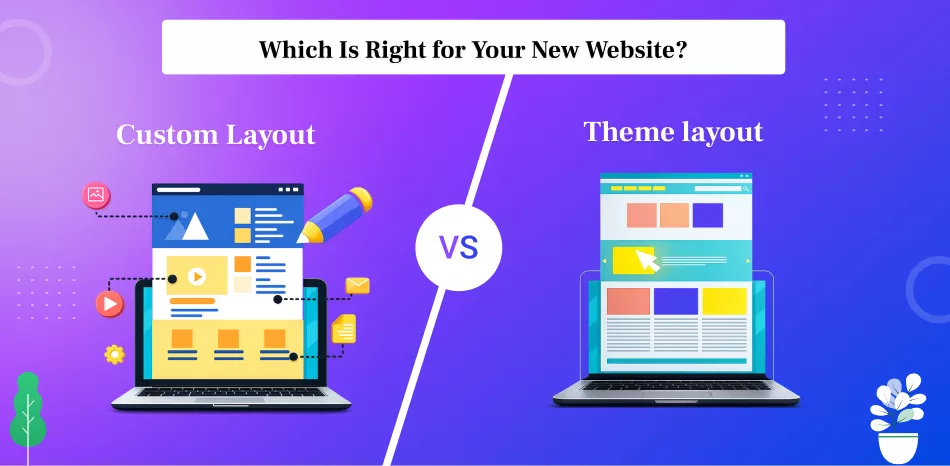
For business owners, startups, marketers, and website clients, this decision often comes down to two main options: a theme layout or a custom layout. Both can work well, but they serve different needs. A theme layout is typically faster and more affordable. A custom layout gives you more control, stronger brand alignment, and better long-term flexibility.
The right option depends on your goals, timeline, budget, and how unique your website needs to be. In this guide, we will break down both approaches, compare their pros and cons, and help you decide which one makes the most sense for your next website.
What Is a Theme Layout?
A theme layout is a pre-designed website structure built from an existing template or theme. It usually includes ready-made page layouts, style settings, navigation patterns, and design elements that can be adjusted to fit your content and branding.
Themes are common in platforms like WordPress, Shopify, Webflow, and other website builders. They allow businesses to launch faster because much of the design and development work is already done.
What Is a Custom Layout?
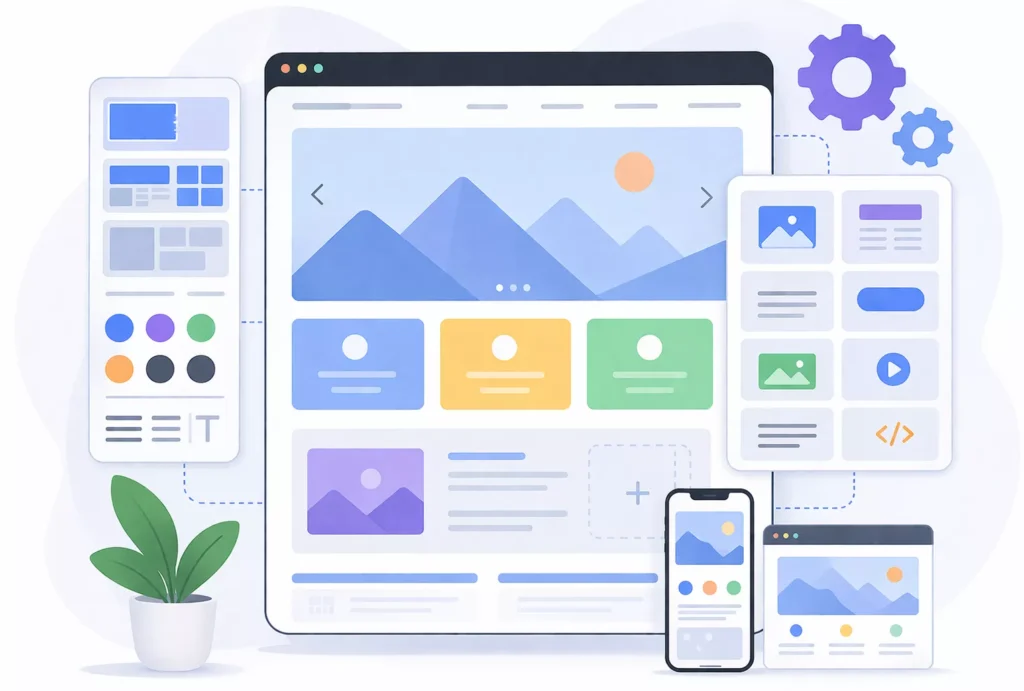
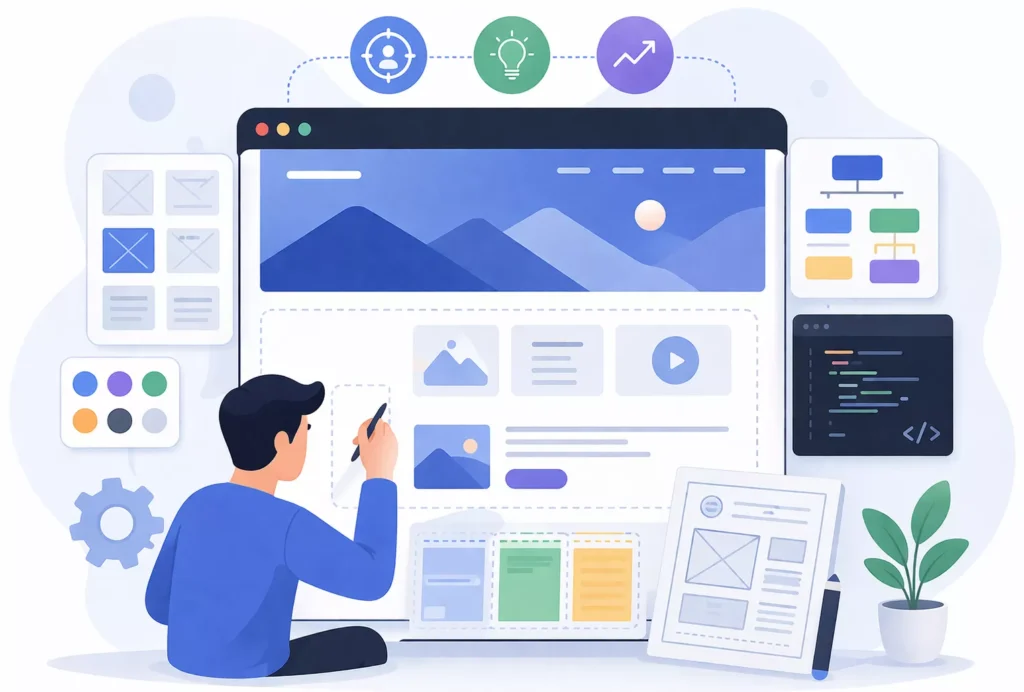
A custom layout is designed specifically for your business, audience, and goals. Instead of starting with a pre-made template, the layout is planned and created from the ground up. This includes page structure, visual hierarchy, navigation, content flow, and user experience decisions tailored to your brand.
A custom layout gives your business more control over how the website looks and works. It is often the better fit for brands that want to differentiate themselves or need a site built around unique functionality.
Theme Layout vs Custom Layout: Key Comparisons
Cost
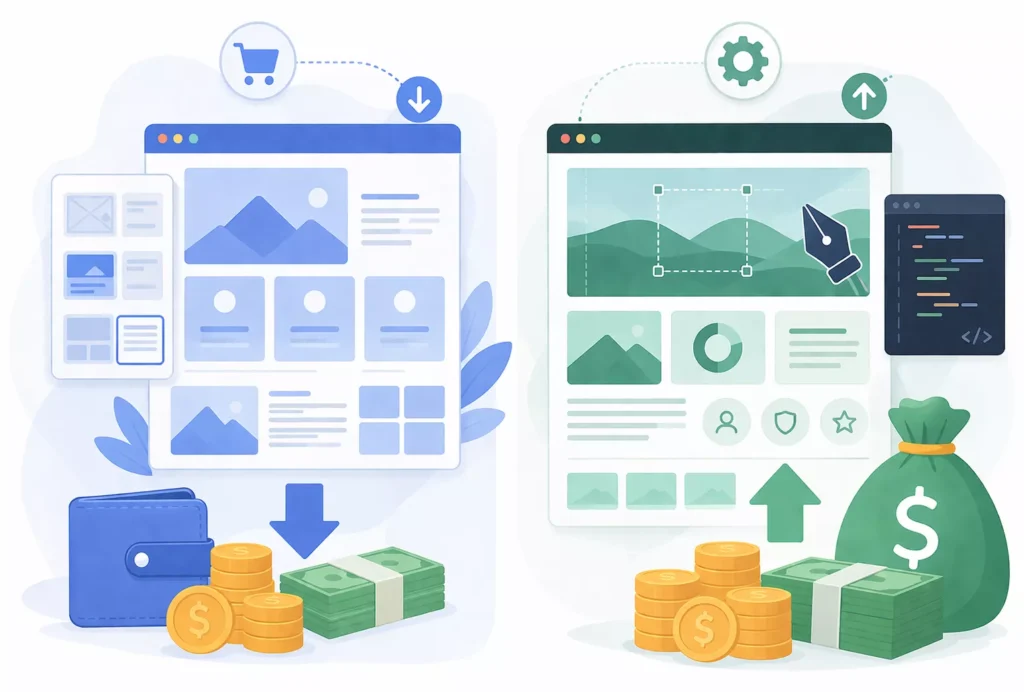
Theme Layout
- Lower upfront cost
- Uses a pre-built structure, so design and development expenses are reduced
- Ideal for businesses with a limited website budget
Custom Layout
- Higher upfront cost
- Requires custom design, planning, and development
- Better suited for businesses that see their website as a long-term investment
Development Time
Theme Layout
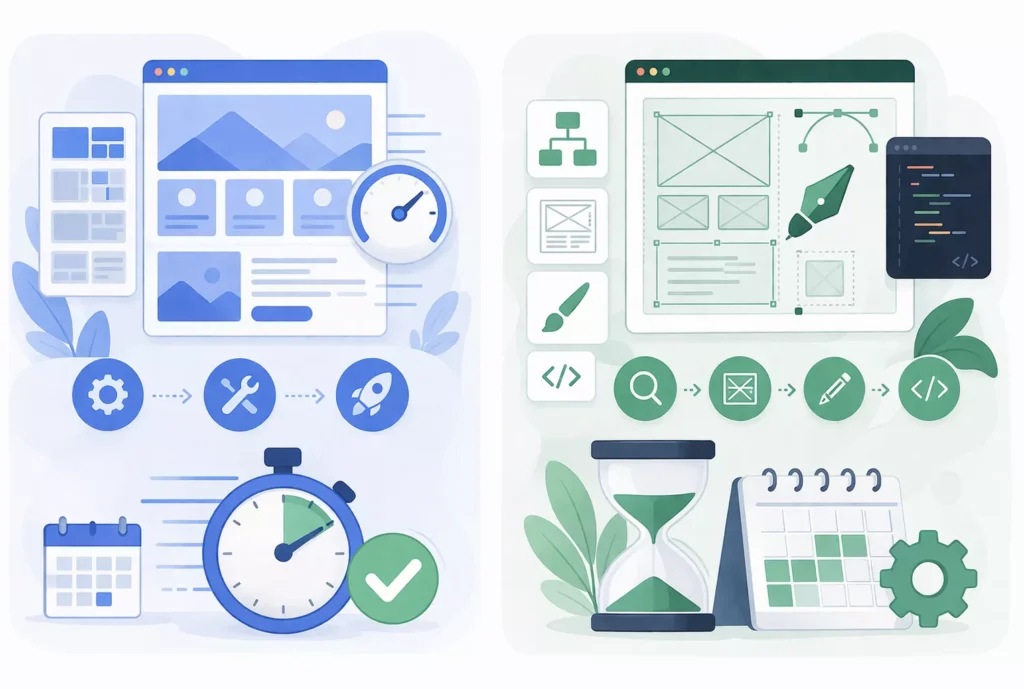
- Faster to set up and launch
- Requires less design and technical work at the beginning
- A strong option for businesses working with short deadlines
Custom Layout
- Takes more time to complete
- Involves strategy, wireframing, design, and custom development
- Best for projects where quality and customization matter more than speed
Design Flexibility
Theme Layout
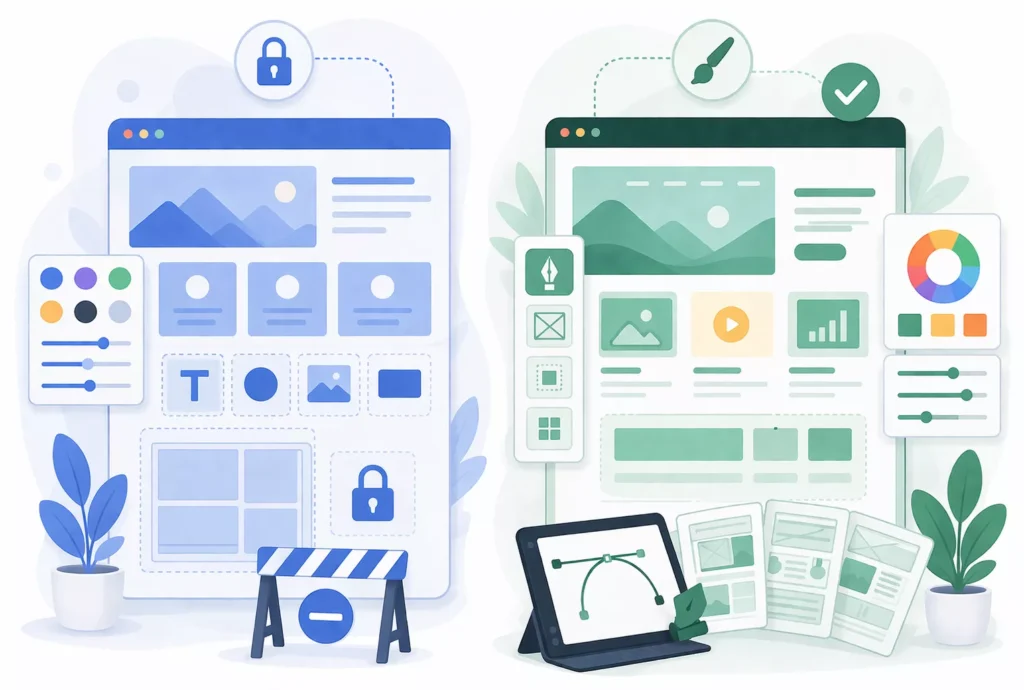
- Comes with built-in design limits
- Allows basic customization such as fonts, colors, and images
- Can be restrictive when major layout changes are needed
Custom Layout
- Offers full design freedom
- Can be built around specific goals and user needs
- Makes it easier to create a unique and highly functional website
Branding
Theme Layout
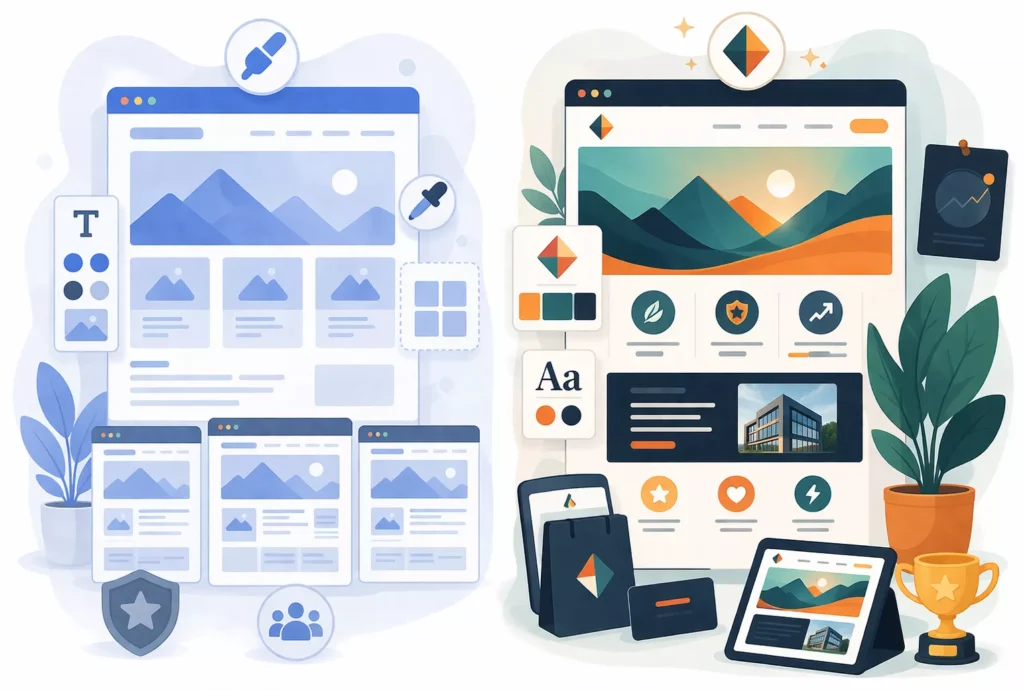
- Can support basic brand styling
- May still look similar to other websites using the same theme
- Works best for businesses that do not need a highly distinctive design
Custom Layout
- Strongly reflects the brand’s identity and message
- Creates a more original and professional online presence
- Helps businesses stand out in competitive markets

Scalability
Theme Layout
- Suitable for small or simple websites
- May become limiting as the website grows
- Can be harder to adapt for advanced features later
Custom Layout
- Easier to scale as the business grows
- Can be planned with future expansion in mind
- Better for businesses expecting long-term digital growth
Maintenance
Theme Layout
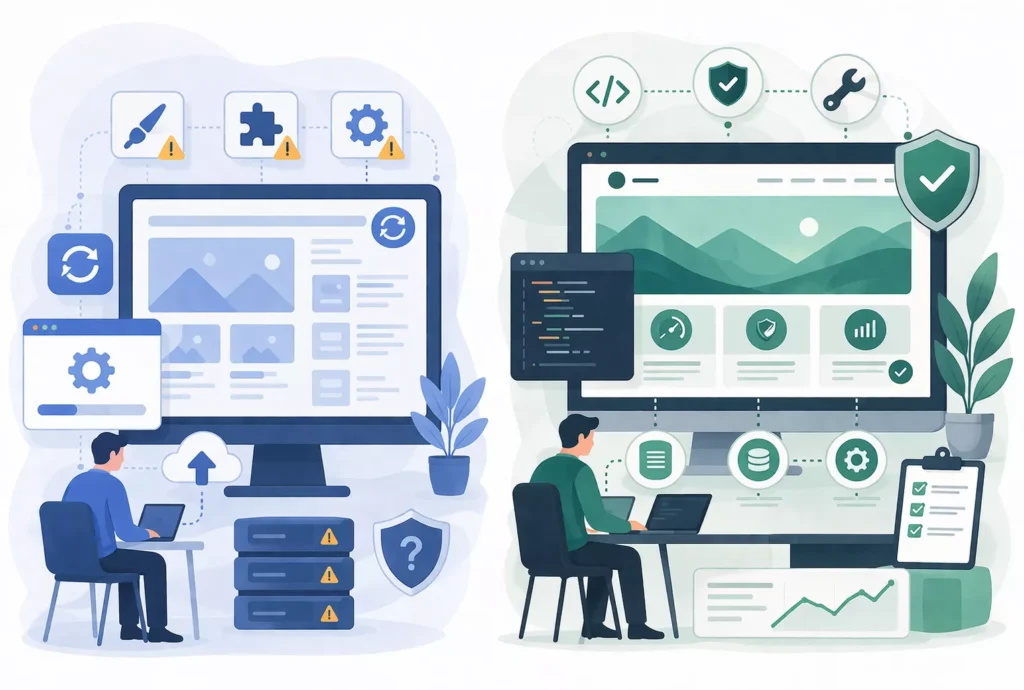
- Easier for simple updates and routine management
- Often depends on third-party theme and plugin updates
- May create issues if the theme becomes outdated or unsupported
Custom Layout
- May require experienced support for updates
- Gives better control over features and functionality
- Can be easier to manage long-term when built properly

User Experience
Theme Layout
- Works well for standard website structures
- Designed for general use rather than specific audience behavior
- May include unnecessary sections or features
Custom Layout
- Built around the target audience and business goals
- Supports a more strategic and conversion-focused user journey
- Creates a smoother and more personalized experience
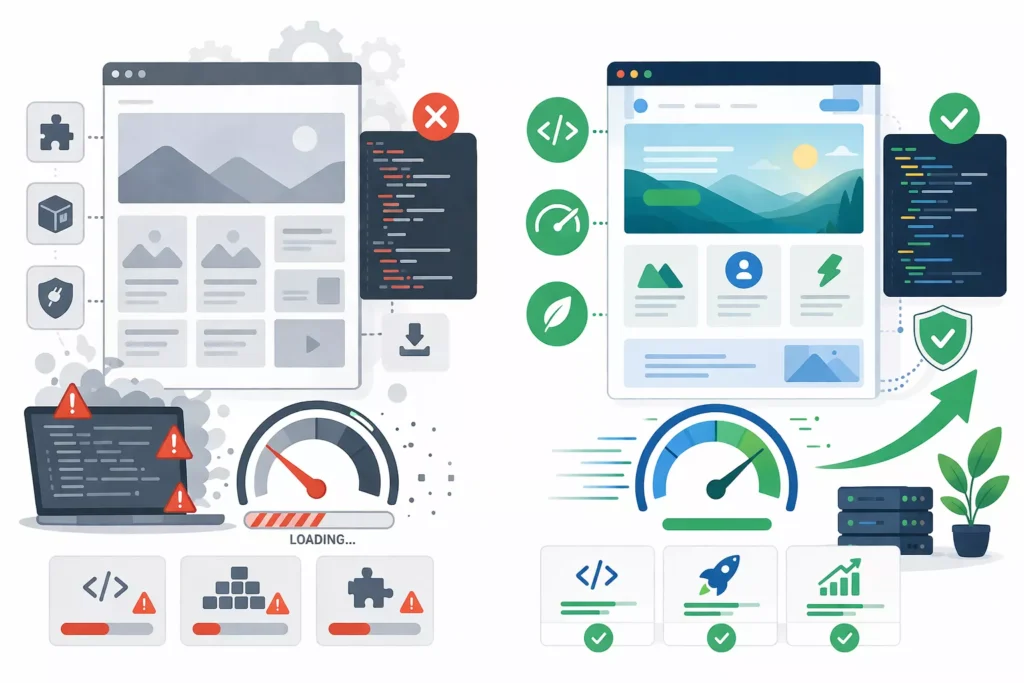
Performance
Theme Layout
- May include extra code or unused features
- Performance depends heavily on the quality of the theme
- Can require extra optimization to improve loading speed
Custom Layout
- Can be built with cleaner and lighter code
- Offers more control over speed and performance
- Often performs better when optimized during development
Theme Layout: Advantages and Disadvantages
Advantages
- Lower cost: Theme-based layouts are generally more affordable because the design and structure are already built.
- Faster launch: Ideal for projects with tight timelines. A website can often go live in days or weeks.
- Easy setup: Many themes come with demos, page builders, and built-in features that simplify development.
- Beginner-friendly: Easier for non-technical users to manage content and make basic updates.
- Large ecosystem: Popular themes often have better documentation, plugins, and community support.
Disadvantages
- Limited customization: You’re restricted to the theme’s structure, which can limit creative freedom.
- Generic design: Your site may look similar to competitors using the same or similar themes.
- Performance issues: Many themes include unnecessary features and scripts that can slow down the site.
- Scalability limits: As your business grows, the theme may not support complex requirements.
- Dependency on third-party updates: Theme updates can sometimes break layouts or plugins.
Custom Layout: Advantages and Disadvantages
Advantages
- Full design flexibility: Every layout and interaction is built specifically for your brand and users.
- Stronger branding: A custom design creates a unique and professional online presence.
- Better user experience: User journeys, conversions, and content flow are intentionally designed.
- Optimized performance: Cleaner code, fewer unnecessary features, and better speed optimization.
- Future-ready and scalable: Easier to add features, redesign sections, or integrate new tools over time.
Disadvantages
- Higher upfront cost: Custom design and development require more time and expertise.
- Longer development time: Planning, design, testing, and development take longer than using a theme.
- Requires experienced professionals: Quality depends heavily on the skills of the design and development team.
- Ongoing support: Maintenance and updates typically require professional assistance.
When a Theme Layout Is the Right Choice
A theme layout is often the best option when a business needs a professional website quickly and cost-effectively.
For example, a local service business launching its first website may not need a completely original interface. It may simply need a clean homepage, service pages, testimonials, and a contact form. In that case, a theme layout can deliver everything needed without a large investment.
It also works well for startups validating a new idea. If the goal is to establish an online presence quickly, test messaging, and keep costs under control, a theme-based site is often the practical choice.
A theme layout is usually the right fit when:
- Your budget is limited
- Your launch timeline is short
- Your website needs are fairly standard
- You want a professional site without a custom build

When a Custom Layout Is the Right Choice
A custom layout makes more sense when your website needs to do more than look good. It is the better option when brand differentiation, user experience, and scalability are critical.
For example, a premium consulting firm may need a polished, highly branded website that builds trust and supports lead generation. A standard theme may not communicate that level of quality or authority. A custom layout can create a more distinctive and convincing experience.
It is also ideal for businesses with unique user journeys, complex service offerings, or long-term digital growth plans. If your website is a core sales tool rather than just an online brochure, custom is often the smarter investment.
A custom layout is usually the right fit when:
- Your brand needs to stand out
- You need specific layouts or features
- Your website is central to sales or lead generation
- You are planning for growth and long-term use

Final Recommendation
There is no one-size-fits-all answer in the theme layout vs custom layout decision. The best choice depends on what your business needs right now and where you want your website to take you next.
Choose a theme layout if you want a faster launch, a lower upfront cost, and a reliable structure for a straightforward website project.
Choose a custom layout if you want deeper flexibility, stronger brand alignment, and a website built around your exact business goals.
In many cases, the smartest approach is to match the solution to the stage of your business. A newer or smaller business may benefit from starting with a theme layout. A growing or established business may gain more value from investing in a custom layout that supports long-term performance.
Conclusion
Your website layout is more than a design preference. It affects cost, timelines, brand impact, user experience, and future growth. Theme layouts offer speed and affordability. Custom layouts offer freedom and precision.
Neither option is automatically better. The right one is the one that fits your priorities, resources, and business strategy.
If you are planning a new website and want help choosing the right layout approach, contact us to request a website quote or book a consultation. A well-planned website starts with the right foundation, and the right layout can make all the difference.
Support for eMail
supportmail@deepit.com
+91 99 789 369 78
Support for Web
supportweb@deepit.com
+91 99 789 369 56