Table of Contents
Creating Inclusive Design Systems for Global Audiences
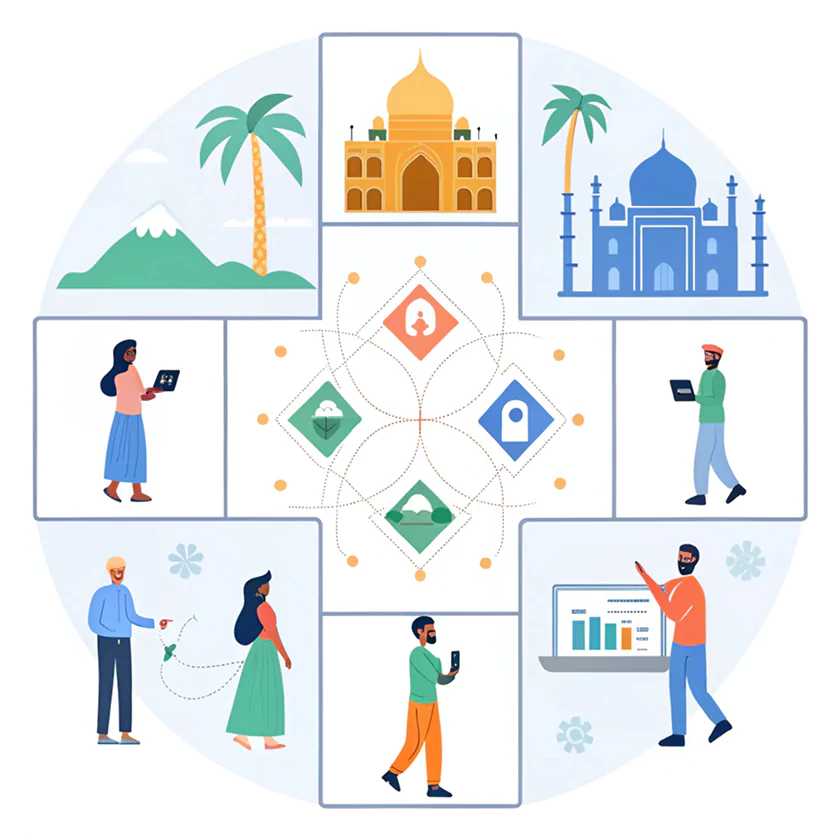
In today’s interconnected world, digital products reach users across continents, cultures, and communities. A design system that works beautifully for users in Silicon Valley might completely fail for someone in Mumbai, Lagos, or São Paulo. Creating truly inclusive design systems requires moving beyond one-size-fits-all approaches to embrace the rich diversity of global audiences.
Understanding the Global Design Challenge
Global design isn’t just about translation. It’s about recognizing that users bring different cultural contexts, technological constraints, physical abilities, and interaction patterns to your product. A successful global design system acknowledges these differences while maintaining consistency and usability across all touchpoints.
Consider the simple act of reading. While Western users scan content from left to right, Arabic and Hebrew users read right to left. This fundamental difference affects everything from navigation placement to visual hierarchy. Similarly, color meanings vary dramatically across cultures—while white symbolizes purity in Western contexts, it represents mourning in some Asian cultures.

Building Cultural Awareness Into Your System
Cultural inclusivity starts with research and empathy. Before designing components, understand your target markets’ cultural norms, visual preferences, and behavioral patterns. This involves more than surface-level localization like changing text direction or date formats.
Religious and cultural holidays, local payment methods, and social hierarchies all influence how users interact with digital interfaces. For instance, in cultures with high power distance, users might expect more formal language and clear authority indicators in administrative interfaces. In contrast, cultures that value egalitarianism might prefer more casual, collaborative design patterns.
Your design system should accommodate these cultural variations through flexible components that can adapt to different contexts. Create modular elements that can be rearranged, restyled, and reconfigured based on cultural requirements without breaking the overall system integrity.
Accessibility as a Universal Foundation
Accessibility isn’t a feature—it’s a fundamental requirement for inclusive design. Your global design system must work for users with varying abilities, from those using screen readers in Tokyo to someone with motor impairments navigating with voice commands in Toronto.
Start with robust semantic HTML and ensure all interactive elements are keyboard accessible. Provide sufficient color contrast ratios that work across different lighting conditions and display technologies. Remember that accessibility tools and assistive technologies vary by region, so test your components with multiple screen readers and input methods.
Consider the full spectrum of disabilities, including temporary impairments like a broken arm or situational limitations like using a mobile device in bright sunlight. Your components should degrade gracefully and provide multiple ways to access information and functionality.

Technical Considerations for Global Reach
Global audiences access your products through vastly different technological contexts. While some users enjoy high-speed fiber connections and the latest devices, others rely on slower networks and older hardware. Your design system must perform well across this spectrum.
Optimize for variable network conditions by designing components that load progressively. Use efficient image formats and implement lazy loading for non-critical elements. Consider offline functionality for markets where internet connectivity is unreliable.
Typography presents unique challenges in global design systems. Your font choices must support multiple writing systems, from Latin scripts to complex scripts like Devanagari or Arabic. Ensure your typography scales appropriately across different languages—German text often requires 30% more space than English, while Chinese characters need careful attention to readability at small sizes.

Language and Localization Strategy
Effective localization goes beyond translation to address cultural nuances and local conventions. Your design system should accommodate text expansion and contraction, varying reading patterns, and culturally appropriate imagery and iconography.
Build flexibility into your components for text that might be significantly longer or shorter in different languages. Create responsive layouts that adapt to different text lengths without breaking. Consider how form labels, error messages, and instructions will work across languages with different grammatical structures.
Icons and symbols that seem universal often carry different meanings across cultures. A thumbs-up gesture is positive in Western cultures but can be offensive elsewhere. Develop region-specific icon sets or use more abstract, culturally neutral symbols for global components.
Testing and Validation Across Markets
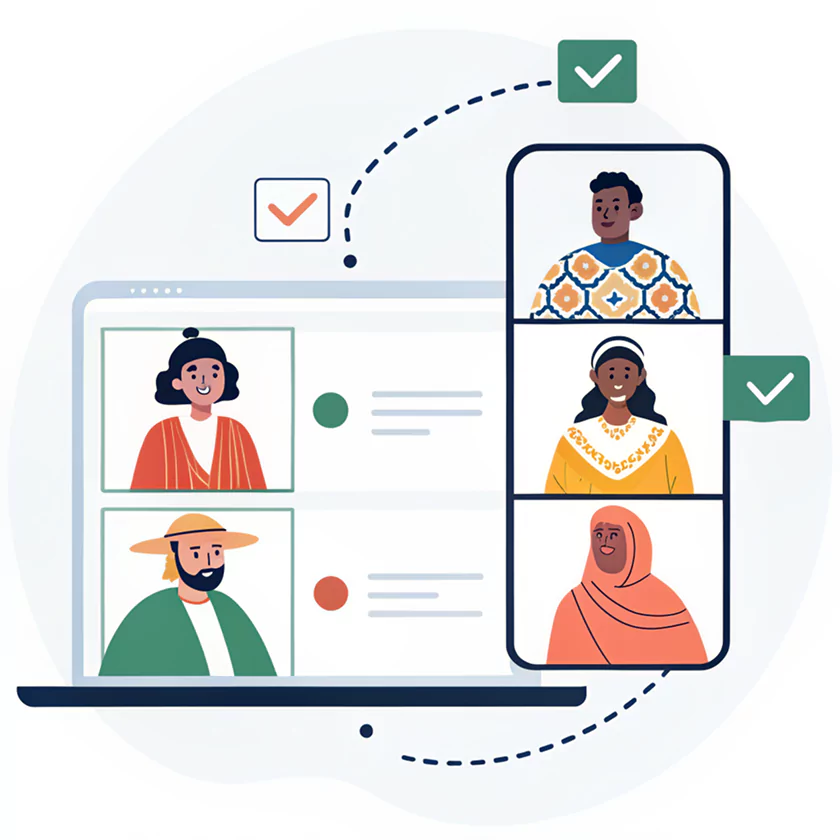
No design system is truly inclusive without thorough testing across diverse user groups. Conduct usability testing in multiple markets with local users, not just translated versions of your primary market research.
Partner with local researchers who understand cultural nuances and can identify issues that might not be apparent to outside observers. Test your components with users who have disabilities, use assistive technologies, and represent the full spectrum of your target demographics.
Implement continuous monitoring to track how your design system performs across different regions and user groups. Use analytics to identify patterns of confusion or abandonment that might indicate cultural or accessibility barriers.

Implementation and Governance
Successfully implementing an inclusive design system requires organizational commitment and clear governance structures. Establish guidelines for when and how to adapt components for different markets while maintaining system integrity.
Create a feedback loop between local teams and your central design system team. Local insights are invaluable for identifying improvements and ensuring your system truly serves global audiences. Document these learnings and share them across your organization to build institutional knowledge about inclusive design.
Train your team members on inclusive design principles and cultural sensitivity. Provide resources and tools that help them make informed decisions about accessibility and cultural appropriateness. Regular audits of your design system can help identify areas for improvement and ensure continued adherence to inclusive principles.

Measuring Success
Define metrics that reflect your commitment to inclusivity. Track accessibility compliance across different regions, measure user satisfaction among diverse demographics, and monitor the performance of your components in various technological contexts.
Look beyond traditional metrics like conversion rates to understand how well your design system serves all users. Time-to-completion, error rates, and user satisfaction scores across different user groups can reveal important insights about inclusivity gaps.

The Future of Inclusive Design
Creating inclusive design systems for global audiences is an ongoing journey, not a destination. As technology evolves and new markets emerge, your system must adapt to serve increasingly diverse user needs.
Emerging technologies like voice interfaces, augmented reality, and artificial intelligence present new opportunities and challenges for inclusive design. Consider how these technologies can make your products more accessible while being mindful of their own potential barriers and biases.
The investment in inclusive design systems pays dividends beyond compliance or market expansion. When you design for the edges—for users with disabilities, cultural minorities, or technological constraints—you often discover solutions that benefit everyone. Inclusive design isn’t just about reaching more users; it’s about creating better experiences for all users.
By embracing the complexity and richness of global audiences, design systems can become powerful tools for connection, understanding, and positive impact across cultures and communities. The future of digital design is inclusive, accessible, and genuinely global—and it starts with the systems we build today.
Support for eMail
supportmail@deepit.com
+91 99 789 369 78
Support for Web
supportweb@deepit.com
+91 99 789 369 56