Business email configuration
Delivered emails in Inbox
No spam/junk
Advantages of best configuration of MX, SPF, DKIM, DMARC
The best configuration of email authentication protocols such as MX (Mail Exchange), SPF (Sender Policy Framework),
DKIM (DomainKeys Identified Mail), and DMARC (Domain-based Message Authentication, Reporting, and Conformance) offers several advantages, which collectively enhance email security, deliverability, and reputation management. Here are the advantages of each:
DMARC (Domain-based Message Authentication, Reporting, and Conformance):
- Policy Enforcement: DMARC allows domain owners to specify policies for handling emails that fail SPF and DKIM authentication, such as quarantining or rejecting them outright.
- Visibility and Reporting: DMARC provides insights into email authentication failures through reporting mechanisms, allowing domain owners to monitor email activity,
identify potential threats, and take appropriate actions. - Enhanced Email Security: By enforcing authentication policies and monitoring email traffic, DMARC helps prevent domain spoofing, phishing attacks, and email fraud,
thereby enhancing overall email security.
DKIM (DomainKeys Identified Mail)
- Message Integrity: DKIM adds a digital signature to email headers, allowing recipients to verify that the email content has not been altered in transit.
- Authentication: DKIM verifies the authenticity of the sender by confirming that the email was sent from an authorized server associated with the sender’s domain.
- Reputation Management: Properly configured DKIM can enhance the sender’s reputation by reducing the likelihood of emails being marked as spam or phishing attempts.
SPF (Sender Policy Framework)
- Preventing Email Spoofing: SPF verifies that the sender’s IP address is authorized to send emails on behalf of a specific domain, thus preventing email spoofing and unauthorized use of domain names.
- Improving Deliverability: Properly configured SPF records can improve email deliverability by reducing the likelihood of emails being flagged as spam or rejected by recipient servers.
- Enhancing Security: SPF helps protect against phishing attacks and email fraud by ensuring that emails originate from legitimate sources.
MX (Mail Exchange)
- Reliability: With proper configuration, MX records ensure reliable email delivery by specifying the mail servers responsible for receiving and routing emails for a domain.
- Redundancy: Multiple MX records with different priorities allow for redundancy, ensuring email delivery even if one mail server becomes unavailable.
- Scalability: MX records can be configured to support scalable email infrastructure, accommodating growing email traffic and distributing the load across multiple servers.
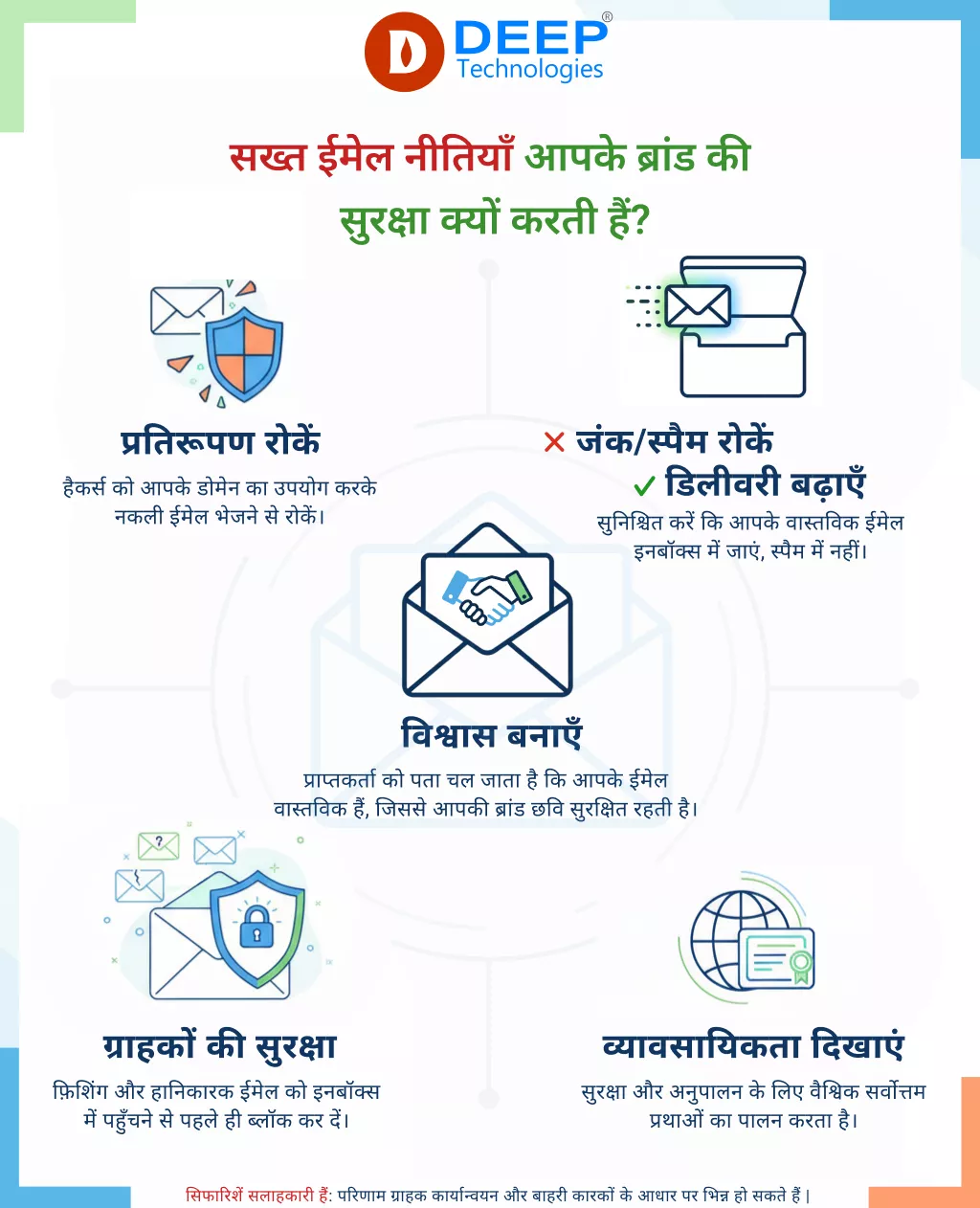
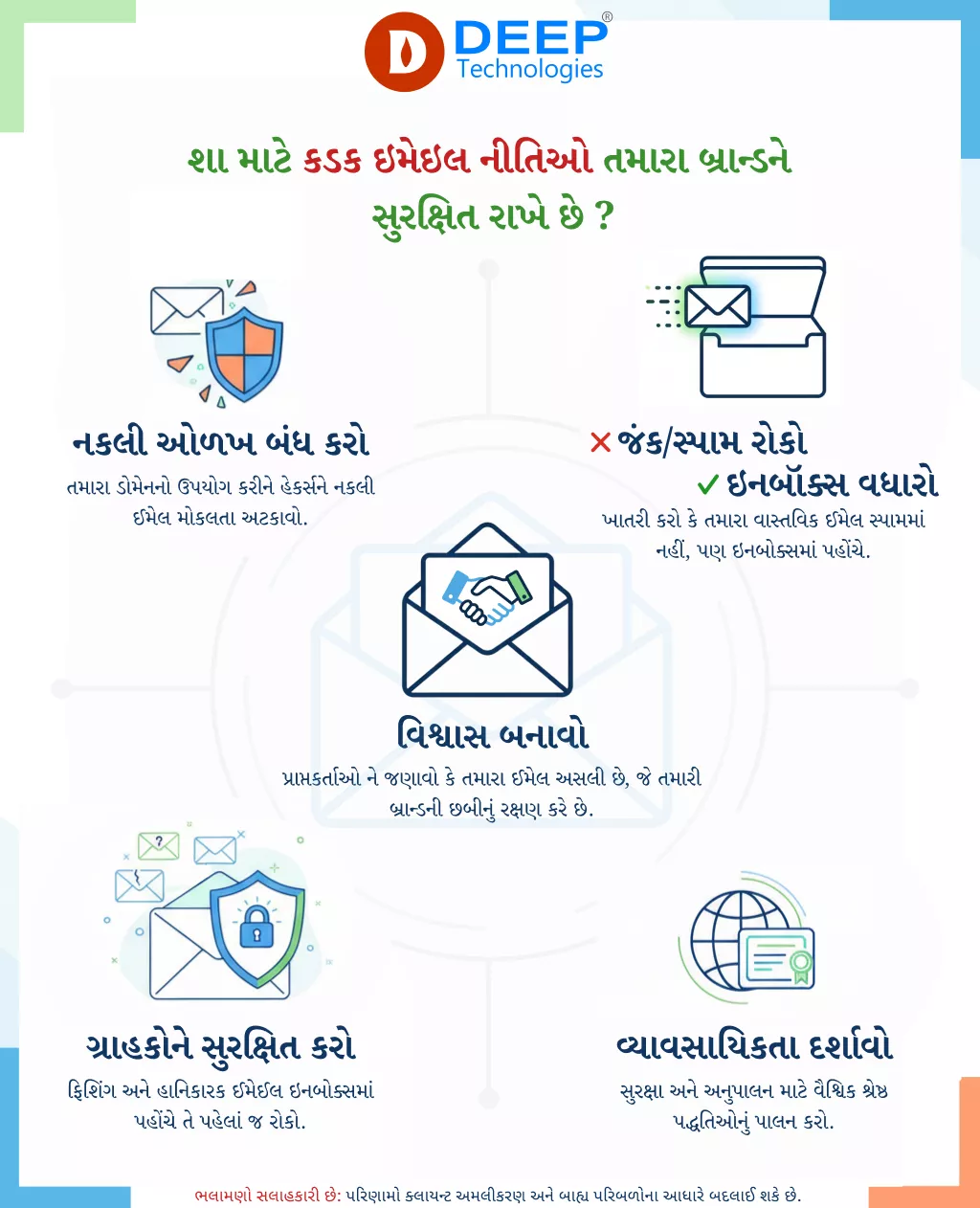
Overall, the best configuration of MX, SPF, DKIM, and DMARC protocols collectively enhances email security, improves deliverability, protects against phishing attacks, and helps maintain a positive sender reputation, ultimately fostering trust and reliability in email communication.
₹ 3,900One-Time Setup Cost